
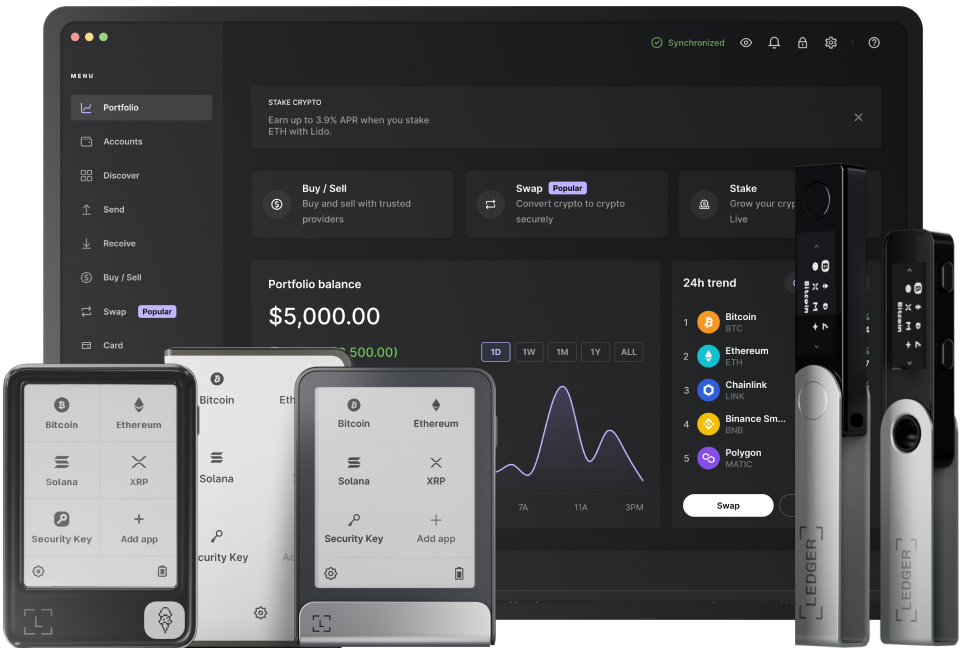
Embarking on the use of a Ledger hardware wallet is an exciting step into the world of secure cryptocurrency storage. First, you need to understand the importance of this device. A Ledger hardware wallet is like a fortified vault for your digital assets. It keeps your private keys offline, protecting them from online threats such as hackers and malware. For example, if you were to store your cryptocurrencies on an exchange, there's always a risk of the exchange being hacked. But with a Ledger wallet, your keys are stored securely within the device, away from the reach of potential attackers.
To start, unbox your Ledger hardware wallet. You'll find the wallet device itself, a USB cable, and some documentation. The first thing you should do is connect the wallet to your computer using the USB cable. Make sure your computer has a stable internet connection and is running a supported operating system. Once connected, you'll need to download and install the Ledger Live software. This software is the interface that allows you to manage your cryptocurrencies on the Ledger wallet. It's important to download it from the official Ledger website to avoid downloading a malicious version.
After installing Ledger Live, open the software and follow the on - screen instructions to set up your wallet. You'll be asked to create a PIN code. This PIN is like a password for your wallet, so choose something strong and memorable but not easily guessable. For instance, don't use simple combinations like 1234 or your birthdate. Once you've set up the PIN, you'll go through the process of creating a recovery phrase. This is a series of 24 words that act as a backup for your wallet. Write these words down on a piece of paper provided in the box or on a metal plate if you have one. Store this recovery phrase in a safe place, as it's the only way to recover your wallet if it's lost, stolen, or damaged.
Now that your wallet is set up, you can start adding cryptocurrencies. In Ledger Live, click on the "Manager" tab and search for the cryptocurrencies you want to add. For example, if you're interested in Bitcoin, find it in the list and click "Install". This will add the Bitcoin app to your Ledger wallet, allowing you to send, receive, and manage Bitcoin. You can repeat this process for other cryptocurrencies like Ethereum or Litecoin. However, be aware that not all cryptocurrencies are supported, so always check the list of supported coins before trying to add them.
When it comes to using your Ledger wallet for transactions, it's crucial to double - check all the details. For example, when sending cryptocurrency, make sure you're sending it to the correct address. One wrong digit can result in the loss of your funds. Also, be cautious when using public Wi - Fi networks. While the Ledger wallet keeps your keys offline, the software communicates with the internet, and public Wi - Fi can be insecure. If possible, use a private and secure network for all your cryptocurrency transactions.
Finally, keep your Ledger wallet and its software up to date. Ledger regularly releases updates to improve security and add new features. You can check for updates in the Ledger Live software. By keeping everything updated, you're ensuring that your digital assets are as secure as possible. With these steps, you're well on your way to using your Ledger hardware wallet effectively and safely.
TAG: Ledger Live your wallet cryptocurrencies software add hardware like ll