
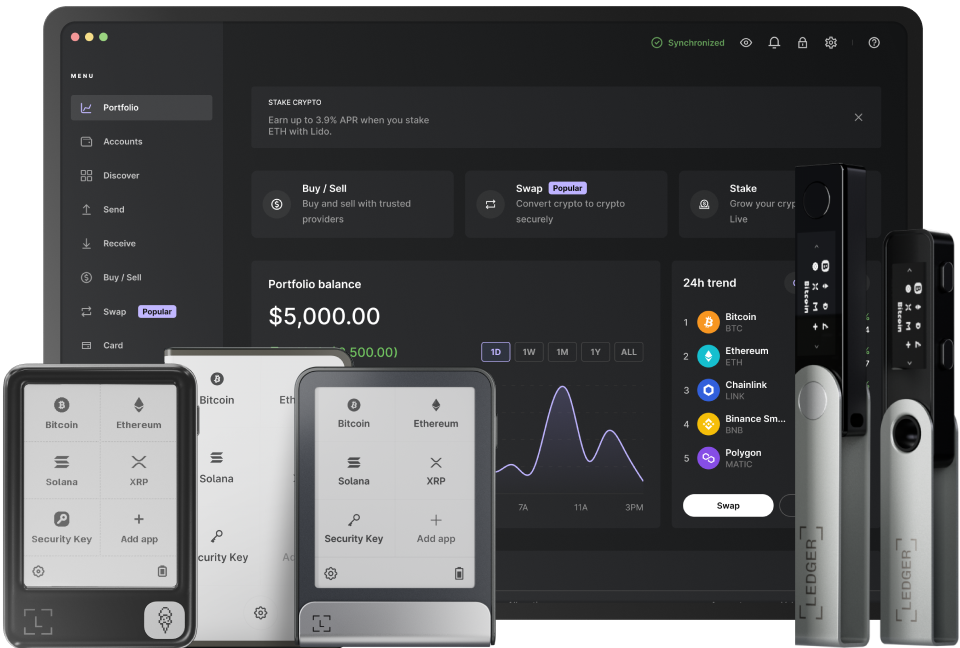
When it comes to using Ledger for airdrops and farming, there are several aspects to consider. First, let's understand what airdrops and farming are. Airdrops are a marketing strategy used by blockchain projects to distribute free tokens to users, often as a way to increase awareness and user adoption. On the other hand, farming, also known as yield farming, is a practice in the decentralized finance (DeFi) space where users lock up their crypto assets to earn rewards in the form of additional tokens.
Ledger is a well - known hardware wallet that provides enhanced security for cryptocurrency storage. One of the main advantages of using Ledger for airdrops and farming is security. Since it stores private keys offline, it significantly reduces the risk of hacking and theft compared to hot wallets. For instance, when participating in airdrops, if your wallet is compromised, you may lose not only the newly received airdropped tokens but also your existing cryptocurrency holdings. With Ledger, you have an extra layer of protection as the private keys are stored on a physical device that is not directly connected to the internet.
However, there are some limitations. Some blockchain projects require a certain level of interaction and functionality from the wallet during airdrops or farming. In some cases, Ledger may not support all the necessary features or smart contract interactions. For example, some complex DeFi farming protocols may need advanced scripting capabilities that Ledger does not offer out - of - the - box. This can prevent users from fully participating in certain high - yield farming opportunities or receiving all types of airdrops.
In terms of usability, using Ledger for airdrops and farming can be more complicated than using software wallets. Setting up the wallet correctly, connecting it to the relevant blockchain networks, and authorizing transactions can be a bit technical for novice users. For example, when trying to claim an airdrop, one has to ensure that the wallet address is compatible with the project's requirements and that all the steps for claiming are followed precisely. Any small mistake during the process could result in the user missing out on the airdrop.
Another factor to consider is the cost associated with using Ledger. The initial purchase price of a Ledger device can be relatively high compared to free software wallets. Additionally, there may be some fees involved when using it for certain transactions related to airdrops and farming, such as network fees on the blockchain platforms. These costs need to be weighed against the potential rewards from participating in airdrops and farming activities. For example, if you expect to earn only a small amount of tokens from an airdrop, but the network fees associated with claiming them using Ledger are relatively high, it may not be cost - effective.
In conclusion, while it is possible to use Ledger for airdrops and farming, it has its pros and cons. The high - level security offered by Ledger makes it an attractive option for those who prioritize the safety of their assets. However, its limited functionality in some cases, usability challenges for new users, and associated costs need to be carefully evaluated. Each user should assess their own needs, technical skills, and financial situation before deciding whether to use Ledger for these activities.
TAG: Ledger wallet users may some high farming airdrops using blockchain