
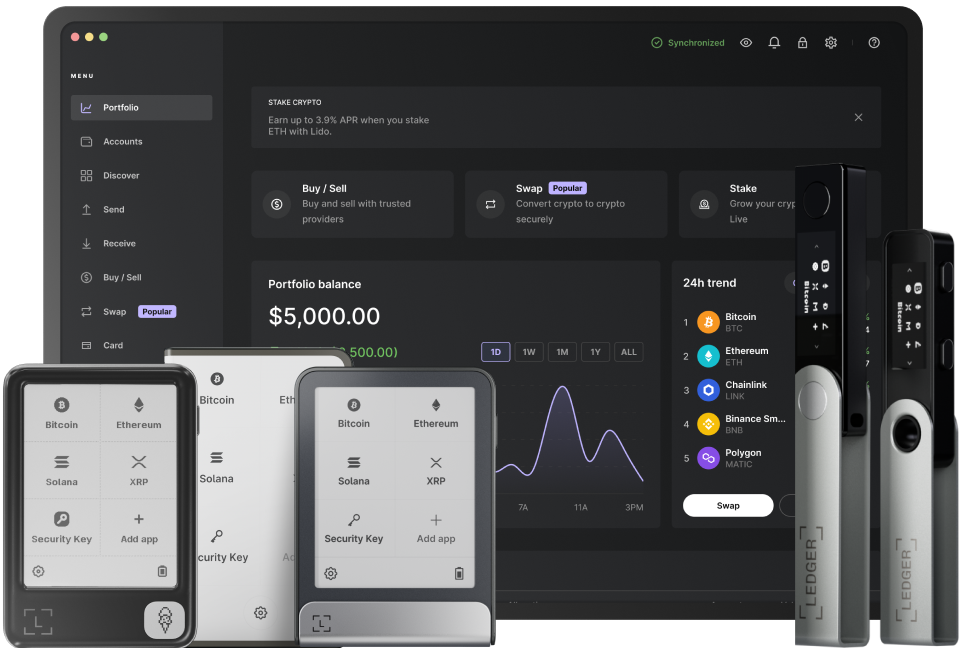
Staking Solana (SOL) on your Ledger wallet is a way to earn passive income while contributing to the security and efficiency of the Solana network. Before you start, it's crucial to understand the basic requirements. First, you need a Ledger hardware wallet, which provides an extra layer of security for your digital assets. Make sure your wallet is properly set up and updated to the latest firmware version. This ensures compatibility with the Solana staking process and reduces the risk of potential issues.
The next step is to acquire some SOL tokens. You can purchase them from a reputable cryptocurrency exchange. Popular exchanges like Binance, Coinbase, and Kraken offer SOL trading pairs. Once you've bought the tokens, transfer them from the exchange to your Ledger wallet. This transfer process involves generating a receiving address on your Ledger wallet and using it on the exchange to initiate the transfer. It's important to double - check the address to avoid any mistakes that could lead to the loss of your tokens.
After transferring SOL to your Ledger wallet, you need to connect your wallet to a staking platform. There are several platforms available for staking Solana, such as Solflare or Marinade Finance. Each platform has its own features and user interfaces. Solflare is a popular choice due to its user - friendly design and seamless integration with Ledger wallets. To connect your Ledger wallet to the staking platform, you usually need to open the Solana app on your Ledger device and follow the instructions provided by the platform. This may involve signing a transaction on your Ledger device to authorize access.
Once connected, you can start choosing a validator. Validators are nodes on the Solana network that process transactions and maintain the blockchain's integrity. When you stake your SOL with a validator, they use it in their operations and, in return, you earn staking rewards. It's essential to research and select a reliable validator. Look at factors such as their uptime, commission rate, and reputation within the community. A high - uptime validator ensures that your staked tokens are actively participating in the network, increasing your chances of earning rewards. A lower commission rate means you get a larger share of the rewards.
After selecting a validator, you can stake your SOL by specifying the amount you want to stake on the staking platform. The platform will guide you through the process of signing another transaction on your Ledger device to confirm the staking. Once the transaction is confirmed on the Solana network, your staking process is complete. You can then monitor your staking rewards over time. Keep in mind that staking is not without risks; market volatility can affect the value of your staked SOL, and there is a small chance that the validator you choose may underperform or face technical issues. However, with proper research and careful selection, staking Solana on your Ledger wallet can be a rewarding experience.
TAG: Ledger your wallet platform network staking Solana SOL validator process