
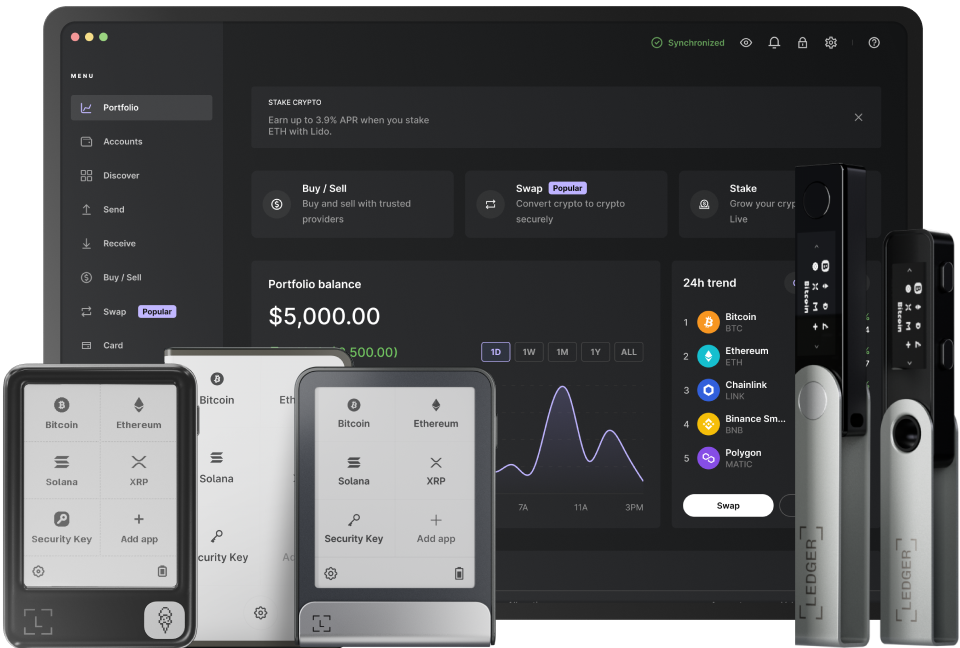
Ledger devices are renowned for their high - level security in the cryptocurrency world. They are hardware wallets designed to store private keys offline, which is a significant safeguard against many types of cyber - attacks. However, the question of whether someone can hack a Ledger device remotely is a legitimate concern for users. A remote hack implies that an attacker can gain unauthorized access to the device without physical contact.
The security architecture of Ledger devices is built on multiple layers. First, they operate in an isolated environment known as a secure element. This secure element is a tamper - resistant chip that stores private keys and performs cryptographic operations. It is designed to detect any physical attempts to break in and will self - destruct if tampering is detected. When it comes to remote hacking, the secure element's isolation makes it extremely difficult for external threats to access sensitive information.
One of the main reasons a Ledger device is considered secure against remote attacks is its offline nature. Unlike software wallets that are constantly connected to the internet, a Ledger device only interacts with external systems when necessary, such as during a transaction. Even then, it uses a secure connection protocol. For example, when you connect your Ledger device to a computer via USB or Bluetooth, it uses encryption to protect data transfer between the device and the connected software (e.g., wallet applications). This encryption makes it challenging for hackers to intercept and manipulate data during transmission.
However, no security system is completely foolproof. There are some potential scenarios where remote hacking could occur. Malicious software on the user's computer or mobile device could pose a threat. If an attacker manages to install malware on the user's system that interacts with the Ledger device, they might be able to trick the user into performing unauthorized actions. For instance, a phishing attack could lead the user to enter their PIN on an illegitimate screen that mimics the real one, allowing the attacker to gain access to the device's functions remotely through the compromised software on the connected device.
Another possible vulnerability lies in firmware updates. Although firmware updates are usually a way to enhance security, if an attacker manages to compromise an update server, they could potentially distribute malicious firmware. This malicious firmware could then be installed on users' devices during an update process, giving hackers remote control over certain functions of the Ledger device or access to stored private keys.
Ledgers take extensive measures to prevent these scenarios from happening. They have strict verification processes for firmware updates and regularly audit their systems for vulnerabilities. Additionally, they provide users with guidance on how to keep their devices secure, such as using strong PINs and only connecting their devices to trusted computers and networks.
In conclusion, while it is highly unlikely that someone can hack a Ledger device remotely due to its robust security features, users still need to be vigilant against potential threats like malware on connected devices and compromised firmware updates. By following best - practice security measures, users can further reduce their risk of falling victim to a remote hack and continue enjoying the secure storage of their cryptocurrencies offered by Ledger devices.
TAG: Ledger device firmware security users devices secure their could remote